Serving Flagstaff, AZ and surrounding areas. (928) 326-9044
Worn mortar joints let water in. At 7,000 feet with 100-plus frost nights a year, that water does real damage fast. We remove the old mortar and replace it correctly - before another winter makes the problem worse.
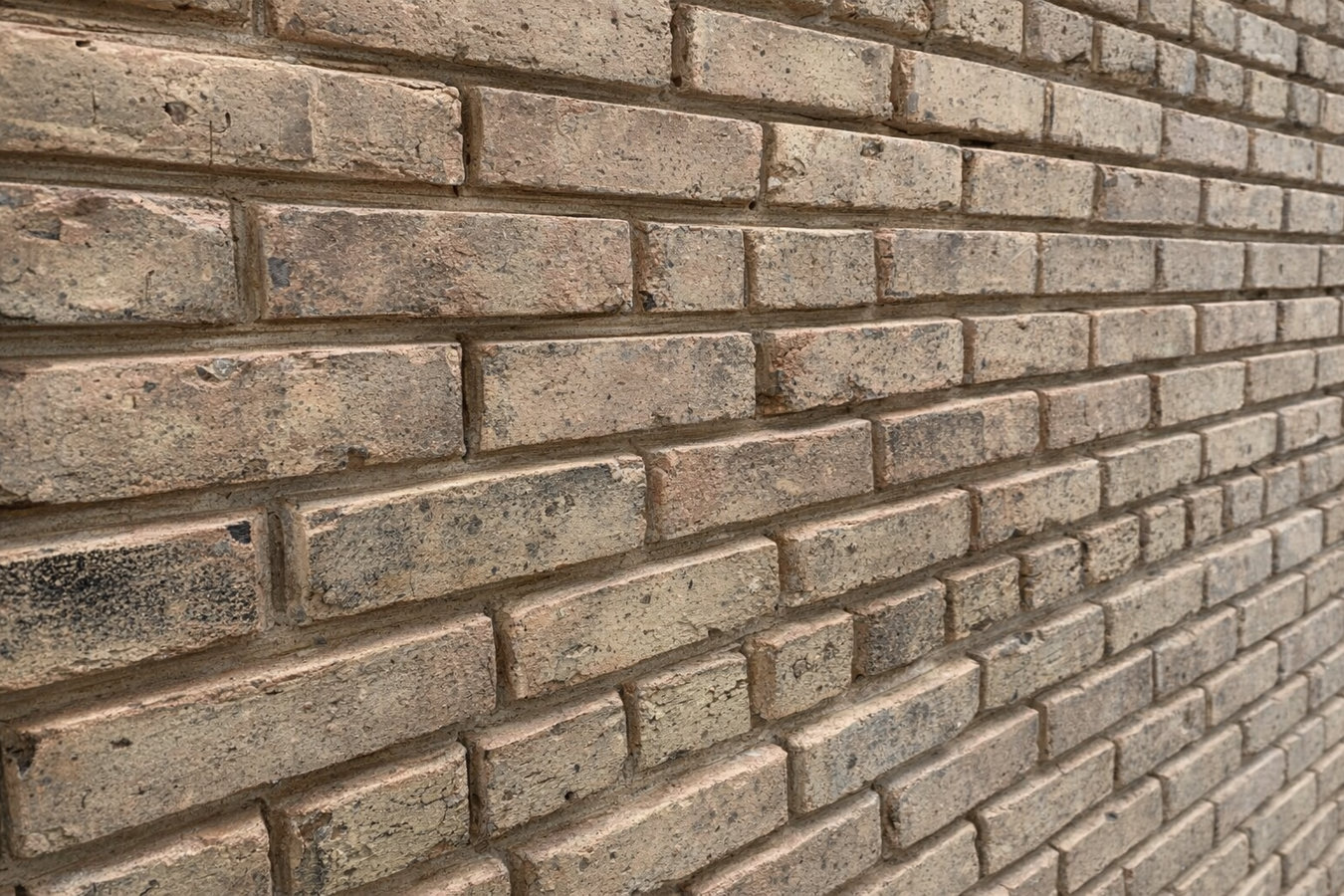
Tuckpointing in Flagstaff means removing crumbling mortar from the joints between bricks or stones and packing in fresh mortar to seal the wall - most chimney and single-wall jobs finish in one to two days, and you do not need to leave your home.
Mortar is softer than brick by design - it absorbs movement and moisture so the bricks themselves do not crack. Over time, especially in a place like Flagstaff where temperatures drop below freezing more than 100 nights a year and summer monsoon rains push moisture hard against exterior walls, that mortar wears out faster than most homeowners expect. When it does, water finds its way inside, and the freeze-thaw cycle starts doing damage from within.
When the joints fail far enough, individual bricks can crack or shift - at that point the job is bigger than tuckpointing alone. Our brick repair service covers situations where the bricks themselves need attention alongside the mortar.
Run your finger along the joints between your bricks or stones. If the mortar crumbles away, feels sandy, or has visible gaps, it is no longer keeping water out. This is the clearest sign that tuckpointing is overdue.
Stand back and look at your masonry from an angle. Healthy mortar sits close to flush with the brick surface. If the joints look scooped out - noticeably deeper than the bricks - water is already pooling in those channels every time it rains or snows.
Flagstaff's repeated freeze-thaw cycles through winter and early spring are hard on mortar. If you spot new cracking, spalling, or bricks that feel slightly loose after a walk-around in March or April, that is the freeze-thaw cycle at work - a strong signal to call a mason before next winter arrives.
That white residue is efflorescence - mineral salt that water carries out of the masonry as it moves through. It tells you water is getting into your wall somewhere. In Flagstaff, where monsoon rains push moisture hard against exterior walls, efflorescence that appears after summer is a reliable sign your mortar joints need attention.
Tuckpointing covers any masonry surface where mortar joints have worn, eroded, or pulled away from the brick or stone face. That includes chimneys that have taken years of Flagstaff freeze-thaw cycles, exterior walls where the monsoon season has pushed moisture through failing joints, and retaining walls where frost heave has broken the seal between stones. For each job, we assess the existing mortar type first - using the wrong replacement mix is one of the most common mistakes in this trade, and in older Flagstaff homes it can cause more damage than the original wear.
For masonry where the mortar is gone but the bricks themselves are still sound, tuckpointing is the right fix. When we also find bricks that are cracked or spalling, we handle that through our brick repair work. And when a surface needs careful finishing and joint profiling after the mortar is set, our brick pointing service handles that final step. Both can often be combined into a single visit.
Best for chimneys showing crumbling joints, efflorescence, or loose bricks after a hard Flagstaff winter.
Suited for brick or stone exterior walls where mortar has eroded or pulled away from the brick face.
Right for retaining walls with water-damaged or frost-heaved mortar joints that need to be reset and packed.
For older Flagstaff homes that need a lime-based mix to match the original soft mortar without stressing the bricks.
Flagstaff sits at about 7,000 feet and sees more than 100 nights per year where temperatures drop below freezing - even when daytime highs can be warm. That constant back-and-forth between freezing nights and thawing days is one of the most destructive forces mortar faces. Water seeps into tiny gaps, freezes, expands, and widens those gaps a little more each cycle. Flagstaff also receives roughly 23 inches of precipitation a year, with a significant share falling as intense summer monsoon rains that push hard against any gap in your exterior masonry. Homeowners in Kachina Village and Mountainaire deal with the same conditions and often see the most visible mortar damage in late summer or early fall, right after monsoon season has done its work.
Flagstaff also has a significant stock of homes dating from the early to mid-1900s, particularly in the Southside and downtown areas. Older masonry was often built with softer lime-based mortars, and replacing that with a modern, harder mix can actually damage the original bricks over time. If your home is older, make sure your mason understands the importance of matching the mortar type to the age of your masonry - not just the color. The Brick Industry Association publishes technical guidance on mortar selection that experienced masons follow to get this right.
We ask a few basic questions about where the masonry is and roughly how large the area is. Most will schedule a time to come out and look at the wall in person before giving a price. We reply within 1 business day.
We walk the area with you and look closely at the joints - checking how deep the damage goes, whether any bricks are loose, and whether the existing mortar needs special matching. You get a written estimate before any work is agreed to.
We grind or chisel out the old mortar to a consistent depth, then pack fresh mortar into each joint by hand and tool it smooth. On a typical chimney or single-wall job this phase takes one to two days.
We clean any residue off the brick faces and walk the finished section with you before we leave. Fresh mortar typically needs 24 to 48 hours before it gets wet - in monsoon season we may cover fresh joints with sheeting to protect them from sudden rain.
We give you a written estimate before any work starts. No pressure, no obligation - just a straight answer on what your joints need.
(928) 326-9044Homes in Flagstaff's Southside neighborhood and near downtown were often built with softer, lime-based mortars. Using the wrong modern mix can crack the original bricks over time. We assess the existing mortar and match the new batch to your home's age and masonry type.
At 7,000 feet, summer UV is intense and afternoon temperatures swing fast. Fresh mortar applied carelessly can dry too quickly and crack before it hardens. We schedule work for cooler parts of the day in summer and protect fresh joints from direct sun while they cure.
We assess the whole surface and tell you honestly what is urgent, what can wait, and what is fine as-is. You spend money where it genuinely matters - not on work that was not necessary.
We have been doing masonry work in Flagstaff since 2018 and understand how the local freeze-thaw cycle and monsoon season affect mortar joints differently than lower-elevation Arizona cities. That direct local experience shapes every job.
Every tuckpointing job we do comes with a final walkthrough - we show you exactly what was repaired and what to watch for going forward. For work involving older homes or historic districts, we also follow guidance from the Mason Contractors Association of America to make sure materials and methods are right for the masonry type.
When the bricks themselves have cracked, spalled, or shifted - not just the mortar - we handle full brick repair and replacement.
Learn MorePrecise joint finishing and pointing work to restore the look and water resistance of your brick or stone masonry surface.
Learn MoreFlagstaff's freeze-thaw season starts earlier than most people expect. Locking in your repair now means your masonry is sealed and solid before the first hard frost.