Serving Flagstaff, AZ and surrounding areas. (928) 326-9044
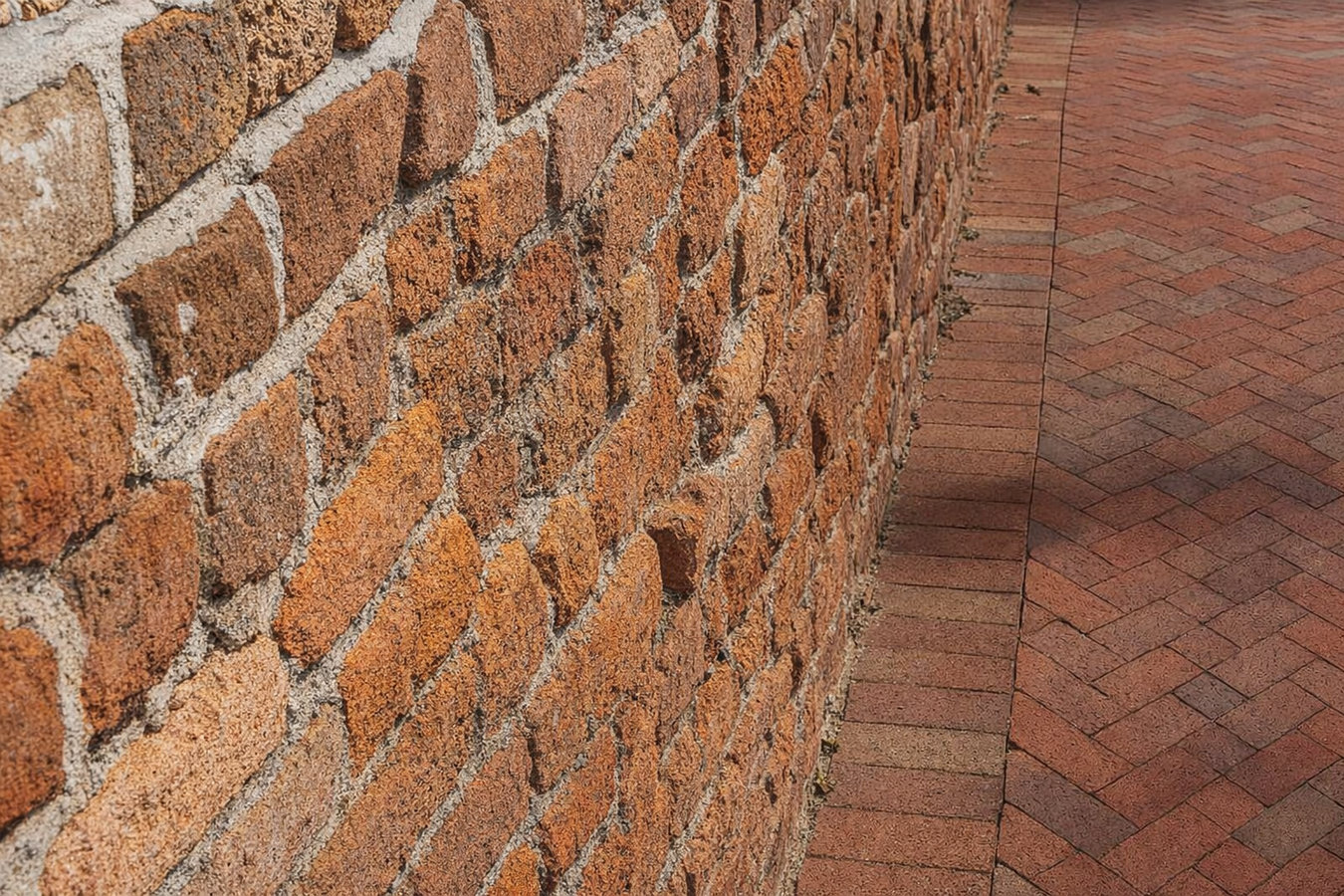
Crumbling mortar, spalling brick, and efflorescence are all signs that Flagstaff winters have found a weak spot. We fix it right before the next freeze makes it worse.
Masonry restoration in Flagstaff means repairing, cleaning, and stabilizing brick, stone, or concrete block that weather, age, or moisture has damaged - most jobs take one to three days for a standard chimney or wall section, with larger projects running up to a week.
At nearly 7,000 feet elevation, Flagstaff's freeze-thaw cycles hit masonry harder than anywhere else in Arizona. Water works into small cracks, freezes, expands, and widens those cracks through every winter. A small mortar failure in October can become a structural concern by March. The good news is that masonry restoration in Flagstaff is almost always more cost-effective than full replacement - if you catch the damage before it spreads.
Restoration includes everything from repointing failed mortar joints and patching spalled brick faces to cleaning efflorescence and applying breathable sealers. If your chimney also needs attention, our fireplace installation team can assess it as part of the same visit. For heavily weathered natural stone, we also offer stone masonry repair and reconstruction.
Walk up to any brick or stone wall and look at the lines between the units. If the mortar looks sandy, is pulling away from the brick edges, or scrapes out easily, it has failed and needs replacement. In Flagstaff, this shows up most dramatically on north-facing walls and chimney tops where freeze-thaw cycles hit hardest.
A chalky white residue called efflorescence means water is moving through the wall and carrying dissolved salts to the surface. It is not dangerous on its own, but it tells you moisture is actively getting in somewhere. In Flagstaff, this often appears in late spring after snowmelt has worked through the wall all winter.
Hairline cracks in mortar joints are common and repairable. Cracks wider than a quarter-inch, or diagonal cracks running through the brick itself, can signal structural movement and should be evaluated quickly. Flagstaff's clay-rich soils in some neighborhoods shift seasonally and can contribute to this kind of cracking.
Spalling - where chunks of the brick face break off and fall - means moisture has penetrated deep into the brick and is freezing and expanding inside. This is more common in Flagstaff than in lower-elevation Arizona cities because of the hard winters. Once spalling starts, it tends to spread quickly without intervention.
Our masonry restoration work covers the full range of repairs a Flagstaff home is likely to need. For mortar joint failures, we perform detailed tuckpointing - removing the deteriorated material, matching the original mortar formula, and packing new material cleanly so it bonds correctly and lasts. We also handle spall patching, where brick or stone faces have broken away, and efflorescence treatment to address the moisture source rather than just the surface symptom. When natural stone is involved, we offer stone masonry repair and reconstruction to source compatible material and restore the original character.
For homeowners whose fireplaces or chimneys have been affected, our fireplace installation team works alongside our restoration crew to handle everything in one project. We also apply breathable water repellents after repairs on exterior walls - an important step in Flagstaff's wet winters - and can advise on long-term maintenance schedules so the repaired sections stay solid through future freeze-thaw seasons.
Best for homes with failed mortar joints but intact brick and stone.
For brick or stone faces that have broken away due to freeze-thaw damage.
Suited to walls with structural cracks that need filling and stabilization.
Addresses active moisture migration causing white salt deposits on the surface.
For restored exterior masonry in climates with heavy rain and snowmelt.
For chimneys with crumbling crowns, failing mortar, or spalled brick tops.
Flagstaff sits at roughly 7,000 feet, which means it gets real winters - averaging over 100 inches of snowfall per year and temperatures that regularly drop below freezing from October through April. When water gets into small cracks and then freezes, it expands and forces those cracks wider. Over several seasons, a minor hairline failure in the mortar becomes a structural problem. That cycle is more aggressive here than anywhere else in Arizona, and it means damage accelerates faster than most homeowners expect. A crack that seems minor in October can become a serious repair by March.
Flagstaff also has a significant number of homes dating from the early to mid-1900s - particularly in neighborhoods like the Southside Historic District and the streets surrounding downtown. Many of these homes were built with softer, lime-based mortars that require a contractor who understands how to match the original material. Applying modern hard mortar to an older home is one of the most common restoration mistakes, and it causes brick spalling within a few winters. Whether your home is in Kachina Village or closer to downtown, we match mortar to the original spec rather than defaulting to whatever is easiest to source. Clients in Sedona face a similar challenge with the local volcanic stone used in many mid-century builds there - compatibility matters in both areas.
We respond within 1 business day. You describe what you are seeing - crumbling mortar, white staining, broken brick faces - and we schedule a time to come look at it in person.
We walk the area with you, explain what we are seeing in plain terms, and give you a written estimate before any work is agreed to. You will know the full cost and scope upfront.
Most exterior restoration work happens while you stay in your home. We lay down drop cloths and clean up at the end of each day. The noise comes from grinding and chipping old mortar - typically done in the first few hours.
When the work is complete, we walk you through every repair and explain what was done. Fresh mortar needs 24 to 48 hours before it should get wet, and 28 days to reach full strength - we will tell you exactly what to watch for.
No obligation, no pressure. We come to your property, assess the damage, and give you a written quote in plain language.
(928) 326-9044We understand the difference between lime-based and Portland cement mortars and match new material to what your home was originally built with. Using the wrong mix on a pre-1960s home is one of the most common causes of rapid brick failure - and something we actively work to prevent.
We are licensed through the Arizona Registrar of Contractors - you can verify our status online before hiring us. That license is your assurance that we carry general liability and workers compensation coverage on every job, not just a claim on a website.
We schedule restoration projects around the temperature windows that allow mortar to cure correctly. If a job is booked and a hard freeze is in the forecast, we communicate early and reschedule rather than do work that will not hold. The National Park Service recommends mortar work be done above 40 degrees Fahrenheit, and we follow that standard.
We have been working on masonry projects across Flagstaff and the surrounding communities since 2018. That means we have seen how local conditions affect different materials and home types - and we bring that context to every estimate and every repair.
Every proof point above comes back to the same thing: masonry restoration in Flagstaff is not the same as masonry restoration in Phoenix. The climate, the housing stock, and the materials all require local expertise. That is what we provide on every job.
The National Park Service Preservation Briefs provide authoritative guidance on mortar selection and masonry repair methods.
Add or rebuild a fireplace with a properly designed firebox and chimney built for Flagstaff's elevation and climate.
Learn MoreCustom stone work using materials compatible with the volcanic rock and historic stone common in northern Arizona homes.
Learn MoreCall Flagstaff Concrete & Masonry today for a free on-site estimate - mortar damage that looks minor now can become a major repair after one more freeze-thaw season.